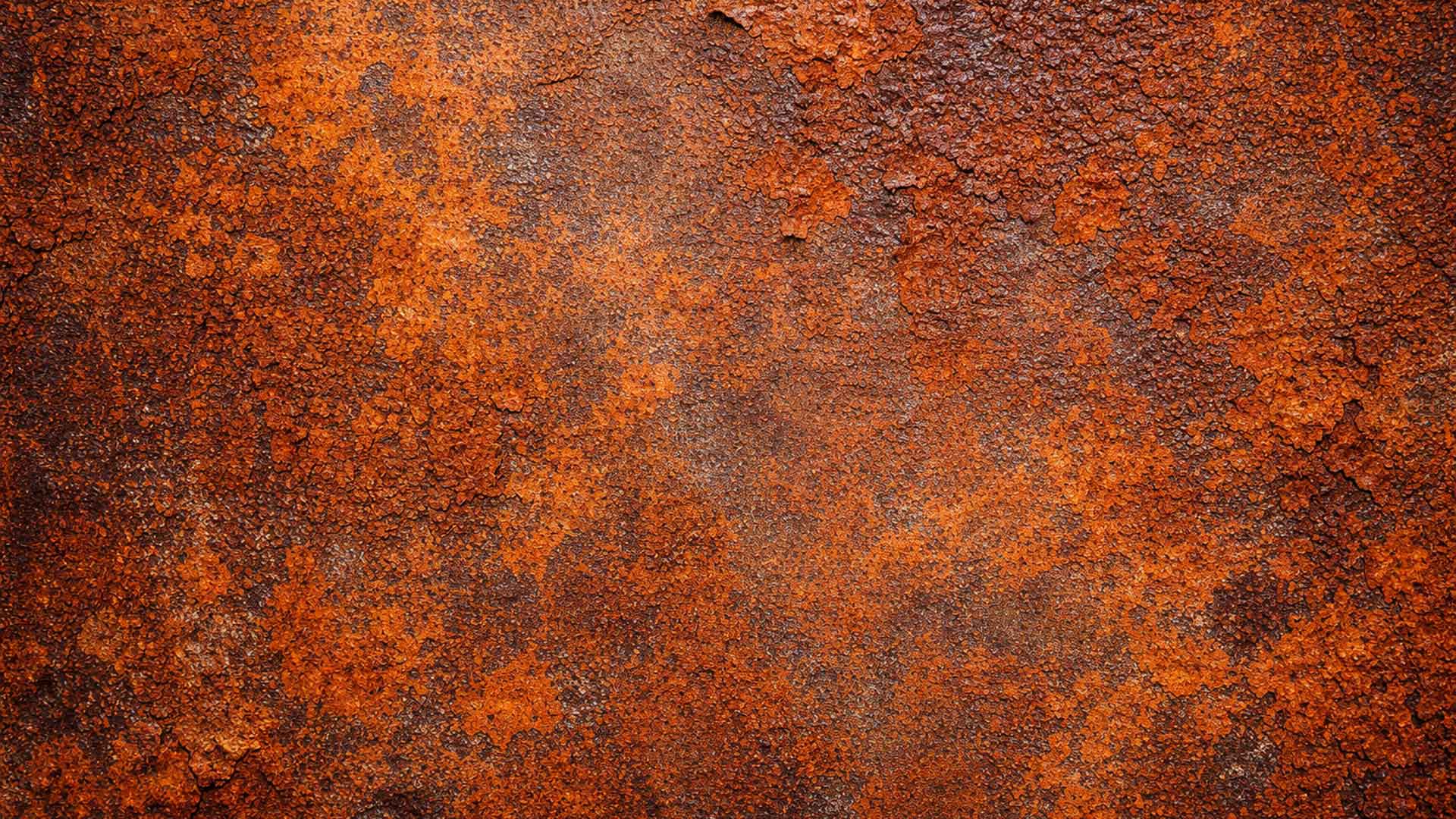
Preservation of Value and Aesthetics: Professional Handling of Patinated Steel
Patinated steel is a material that captivates with its natural transformation. In contrast to conventional corrosion, which weakens the substance, properly formed patinated steel creates a protective barrier layer. But how does one properly handle this dynamic material?
In this guide, we examine the technical aspects of cleaning, the protection of sensitive surfaces, and the targeted stabilization of the patina for use in residential and outdoor areas.
Table of Contents
- Materials Science: The Protective Function of Patina
- Necessity of Care Measures
- Influencing Factors in Outdoor Areas
- Requirements Indoors: Abrasion and Fixation
- Methodology of Professional Cleaning
- Prevention of Oxidation Marks on Surfaces
- Sealing Systems Compared: Oil versus Varnish
- Common Misconceptions in Maintenance
- Our Philosophy at vintage-one.de
- Conclusion and Service Checklist
Materials Science: The Protective Function of Patina
Patinated steel refers to a controlled oxidation of the metal surface. In high-quality alloys, the resulting rust layer serves as a diffusion barrier, protecting the underlying steel from deeper corrosion. Color differences and structural irregularities are signs of a natural maturation process and underscore the authenticity of the material.
Necessity of Care Measures
From a purely technical perspective, patinated steel does not require active care, as the patina self-regulates its value preservation. However, care measures are useful when specific functional or aesthetic goals are pursued:
- Stabilization of loose oxidation particles (abrasion protection).
- Optical saturation of color depth.
- Reduction of rust stains on mineral surfaces.
- Influencing Factors in Outdoor Areas
Outdoors, the material is subject to a constant cycle of moisture and drying. This cycle is essential for the stability of the patina.
- Development: Under weathering, the surface progressively darkens and densifies.
- Recommendation: For locations on light natural stone, treatment with Owatrol oil can increase particle bonding and reduce the risk of floor discoloration.
Requirements Indoors: Abrasion and Fixation
Indoors, the natural weathering cycle is absent, which is why the patina often remains "dustier." To prevent staining on textiles or sensitive floor coverings, fixation of the surface is advisable. An oil treatment saturates the material and makes it touch-resistant without covering its metallic character with a plastic layer.
Methodology of Professional Cleaning
Cleaning of patinated steel should always be gentle on the material and without chemical additives, so as not to impair the surface tension and the protective layer.
Procedure:
- Mechanical cleaning: Removal of loose particles using a soft natural hair brush.
- Moist care: If necessary, briefly wipe with clear water. Avoid abrasive cleaners or high-pressure cleaners.
- Drying phase: Before applying care products, the material must be completely dry to avoid moisture inclusions.
Prevention of Oxidation Marks on Surfaces
Oxidation residues (rust water) can never be completely excluded with genuine patinated steel, but they can be minimized through constructive measures:
- Decoupling: Use of spacers or rubber feet to prevent capillary bridges to the floor.
- Surface selection: Placement on insensitive surfaces such as gravel or dark crushed stone.
Sealing Systems Compared: Oil versus Varnish
The choice of protective agent determines the long-term aesthetics of the object.
|
Criterion |
Penetrating Oil (e.g., Owatrol) |
Clear Varnish Sealing |
|
Aesthetics |
Matte, emphasizes material depth |
Often artificial gloss |
|
Haptics |
Metallic, touch-resistant |
Smooth, plastic-like |
|
Physics |
Breathable, does not flake |
Brittle, risk of corrosion under the varnish |
|
Revision |
Simple re-oiling possible |
Requires complete sanding down |
Common Misconceptions in Maintenance
A common misconception is that clear varnish offers the best protection. In fact, the thermal expansion of the metal often leads to hairline cracks in the varnish, allowing moisture to penetrate. The result is unsightly, dark spots under the varnish layer that are no longer reversible.
Our Philosophy at vintage-one.de
We understand patinated steel as an honest material. Our goal is not total control over the material, but rather to support its natural properties. We rely on solutions that preserve the character of the steel and facilitate everyday use – without enclosing it in plastic.
Conclusion and Service Checklist
Caring for patinated steel is not an effort, but a conscious decision for a particular aesthetic.
Quick check for owners:
- [ ] Location: Is adequate air circulation ensured?
- [ ] Surface: Is the patina stable enough for the chosen location?
- [ ] Optional fixation: Is treatment with oil desired for indoor use or for light stone floors?
Expert Support
Our current collection offers further information for your design project.